If you have fitted a snorkel to your GU Patrol, you have already taken a vital step in protecting your engine from dust ingestion and water damage. However, a snorkel is only as good as the integrity of the system behind it. Over time, vibration, heat cycling under the bonnet, and rough track work can compromise the seals between the snorkel head, the pillar, the inner guard, and the airbox. A leak in any of these areas defeats the purpose of the intake upgrade, potentially allowing dust or water into your engine. If you are regularly hitting river crossings or dry, dusty outback tracks, verifying that your intake is airtight is a critical maintenance task.
The Technical Breakdown
The primary function of a snorkel is to move the intake point to a higher, cleaner location. In the GU Patrol, the factory airbox is often the weak point if the seals have perished or the plastic housing has warped from engine bay heat. Before you head off-road, it pays to understand the potential failure points:
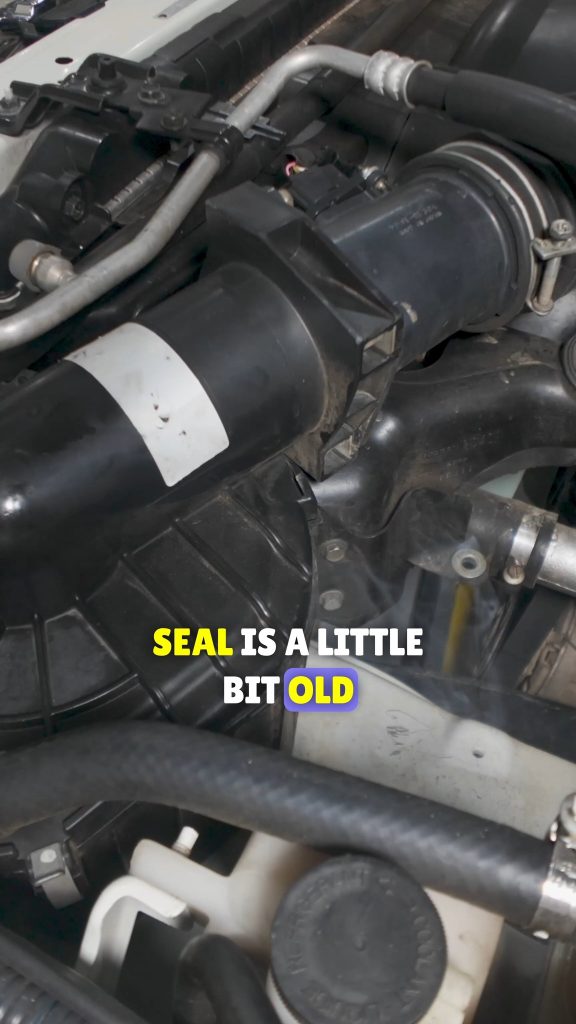
- Joint Sealing: Check the rubber bellows or silicone joiners between the inner guard and the airbox. These are prone to cracking or loosening under high engine vibration.
- Airbox Integrity: Inspect the airbox lid clips and the foam seal around the filter housing. If the airbox is not pulling a vacuum when the intake is blocked, your system is not sealed.
- Drain Valves: Many aftermarket airboxes feature a small rubber duck-bill drain valve at the bottom to allow water to escape. Ensure this is supple and not clogged with debris, or it will let dust in rather than letting water out.
- Pillar Mounting: Ensure the snorkel body is bolted securely to the A-pillar. A loose snorkel puts unnecessary stress on the guard-mounted components, leading to cracked seals or body damage.
Safety Disclaimer: Any work involving the air intake or engine bay components carries a risk of accidental damage. Ensure your engine is off and cool before inspecting intake components. If you are fabricating or modifying intake plumbing, ensure all connections are secure to prevent engine ingestion of loose debris or unfiltered air.
The Patrolapart Solution
When it comes to your intake, OEM components provide a known baseline for fitment, but high-performance driving—such as extended touring or towing—often benefits from upgraded, high-quality aftermarket solutions designed for better sealing and durability. At Patrolapart, we stock components engineered to handle the harsh vibration and thermal loads seen in the GU Patrol.
Fitment varies significantly between Series 1 through to Series 4 and beyond, particularly regarding airbox shape and guard entry points. Always verify your specific model year and engine type before finalizing your selection. We recommend confirming your part requirements against your VIN to ensure precise fitment.
If you find that your intake system is complex to seal or requires fabrication to correct poor fitment from previous modifications, it is worth having a professional inspect the integrity of your induction path to avoid terminal engine damage.
Summary
Maintaining a sealed snorkel system is a straightforward but essential part of vehicle preparation. A quick visual inspection of your seals and airbox before a trip can save you from a major mechanical headache later on. Ensure your clips are tight, your gaskets are pliable, and your joints are free from cracks. If you are unsure about the state of your intake system or require assistance with high-risk component installation, our team is here to help you get the right parts for the job.
For expert advice or assistance with complex component installation, please get in touch with our team to discuss your requirements.
Original Source: Facebook Post